What are Eye Shingles?
Eye shingles or ocular shingles, medically known as herpes zoster ophthalmicus, is a potentially serious condition that affects your eye and the surrounding skin. This condition is caused by the reactivation of the varicella-zoster virus, which is the same virus responsible for chickenpox. After you recover from chickenpox, the virus remains dormant in your body, and it can reactivate later in life, as shingles. When this reactivation occurs in or around the eye, you have eye shingles.
A Word From Our Optometrist
"Eye shingles should never be ignored. One of the biggest misconceptions about shingles is that it's only a skin condition. When shingles affects the eye or the skin around it, it has the potential to threaten sight if left untreated. The sooner treatment begins, the better the chance of protecting both your vision and your long-term eye health." John Dreyer Optometrist Bsc(Hons), MCOPTOM, DipCLP
"One of the biggest misconceptions about shingles is that it's only a skin condition. When shingles affects the eye or the skin around it, it has the potential to threaten sight if left untreated. The sooner treatment begins, the better the chance of protecting both your vision and your long-term eye health."
What Are The Signs And Symptoms Of Eye Shingles?
The symptoms of eye shingles can be quite wide-ranging but normally they include
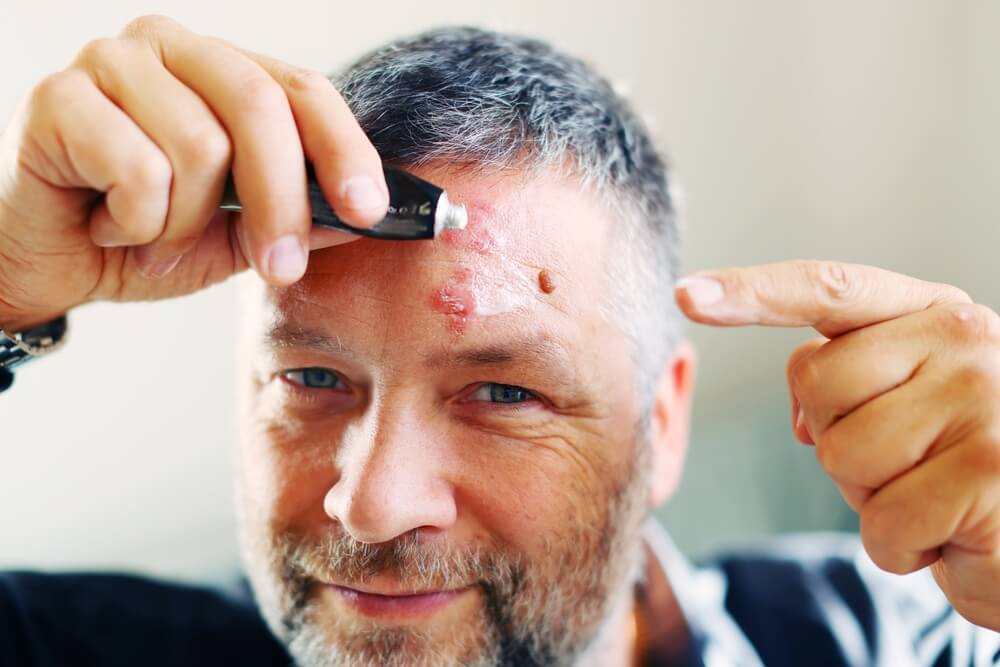
- Blisters around your upper eyelid and forehead on one side or on the top of your nose
- Burning, throbbing, or itching around the eye
- Red patches or a rash around one eye
- Extreme skin sensitivity to the touch
- Red eye, tearing, or irritation
- Blurred vision or even temporary blindness
It's crucial to recognise that eye shingles are not just a skin condition; they can have massive effects on your eye health and vision if not treated promptly!
Is Eye Shingles Serious?
One of the most important aspects of eye shingles that should be stressed is the potential for you to develop complications in your eye.
The virus can cause inflammation in several parts of your eye, including the cornea, the retina, and the optic nerve. This inflammation can lead to developing conditions like keratitis, uveitis, and optic neuritis. Each of these conditions can be quite serious! Keratitis affects your cornea and can lead to corneal scarring or vision loss. Uveitis, which is the inflammation of the middle layer of your eye, can cause glaucoma and cataracts; and optic neuritis can lead to severe pain and even loss of vision.
The risk factors for getting eye shingles include ageing (the risk increases after 50), a weakened immune system, and having had chickenpox in the past. It's important to note that stress or illness can trigger the reactivation of the virus. So leading a healthy lifestyle and managing stress can be beneficial in reducing the risk, as with many other health issues.
Long-term complications of eye shingles can include post-herpetic neuralgia, a condition where severe pain carries on for a long period of time after the rash has cleared. In some cases, you could have vision loss or chronic problems in your eye, so the need for early and effective treatment is extremely vital.
How Do I Know If I Have Eye Shingles?
If you think you may have eye shingles, seek urgent medical advice the same day from your GP, NHS 111 (if appropriate in your area), or an emergency eye service. Early treatment with antiviral medication is most effective when started within 72 hours of the rash appearing and can significantly reduce the risk of eye complications." Diagnosis of eye shingles involves a physical examination and a review of your symptoms. Your doctor may also take a sample from the rash to test for the varicella-zoster virus. Early diagnosis and treatment are critical in minimising any complications.
When Should I Seek Urgent Help
Seek urgent medical attention if you have:
- A shingles rash on your forehead, eyelid or the tip of your nose
- A red or painful eye
- Blurred or reduced vision
- Sensitivity to light
- New floaters or flashes
- Difficulty opening your eye because of pain or swelling
These symptoms may indicate that the shingles virus has affected the eye itself and require prompt assessment.
What Is The Treatment For Eye Shingles?
The treatment normally includes antiviral medications, which will help reduce the severity and length of time the virus is present in your body. Pain management is also an essential part of your treatment, as the condition can be painful!
How long do shingles in the eye last? Potentially these blisters filled with fluid that then turn into scabs could last 3 to 6 weeks.
What To Do If You Have Eye Shingles?
On top of medical treatment, if you have eye shingles you can take several steps to manage your symptoms and prevent the spread of the virus:
- Make sure you keep the rash clean and covered
- Avoid touching or scratching the rash
- Wash your hands often
You must avoid contact with people who are at high risk, such as pregnant women, newborns, and people with a weakened immune system, until the rash has completely healed.
Can You Prevent Eye Shingles?
Preventing eye shingles is possible through vaccination. The shingles vaccine is recommended for adults over the age of 50 (a whole decade sooner than earlier recommendations from federal health officials) and can significantly reduce your risk of developing shingles and any of its associated complications.
Eye shingles are a serious condition that requires prompt medical attention. Being aware of the symptoms and risks associated with this condition, together with effective management and treatment is crucial in preserving your eye health, and preventing long-term complications.
Remember, if you experience any symptoms of eye shingles, seek medical advice immediately! Early intervention is key to a better outcome (and a happier, healthier you)! Or, if you order lenses from us, you have access to our contact lens aftercare pages, and our optometrist from within Your Account.